The cognitive, emotional and neural correlates of creativity
The cognitive, emotional and neural correlates of creativity:
In addition to allowing people and their groups to adapt quickly to changing
conditions, manage complicated social relationships, and thrive through social,
technological, and medical breakthroughs, creativity lies at the heart of great
achievements in the arts and sciences (Baas, 2015).
The capacity to come up with original, possibly beneficial ideas and solutions
to problems (also known as creativity) is one of the most highly regarded and
sought-after skills in modern civilizations. It makes sense that (i) the human
brain evolved to sustain and promote creative thinking, and that we should
therefore be able to identify, (ii) the brain circuitry and neurosurgical modulators
of the human capacity for creativity, and (iii) the core cognitive, motivational, and
emotional processes underlying creative thought. This is because creativity provides
fitness functionality in both ancient and modern societies (Baas, 2015).
How does the cognitive, emotional and neural correlates of creativity:
The capacity to come up with original, possibly beneficial ideas and solutions to
problems (also known as creativity) is one of the most highly regarded and
sought-after skills in modern civilizations. It makes sense that:
(i) The human brain evolved to sustain and promote creative thinking, and that weshould therefore be able to identify (Baas, 2015).(ii) The brain circuitry and neurosurgical modulators of the human capacity for
creativity (Baas, 2015).
(iii) The core cognitive, motivational, and emotional processes underlying creativethought. This is because creativity provides fitness functionality in both ancientand modern societies (Baas, 2015).https://cognovo.eu/events/brain-basis-cognitive-innovation.php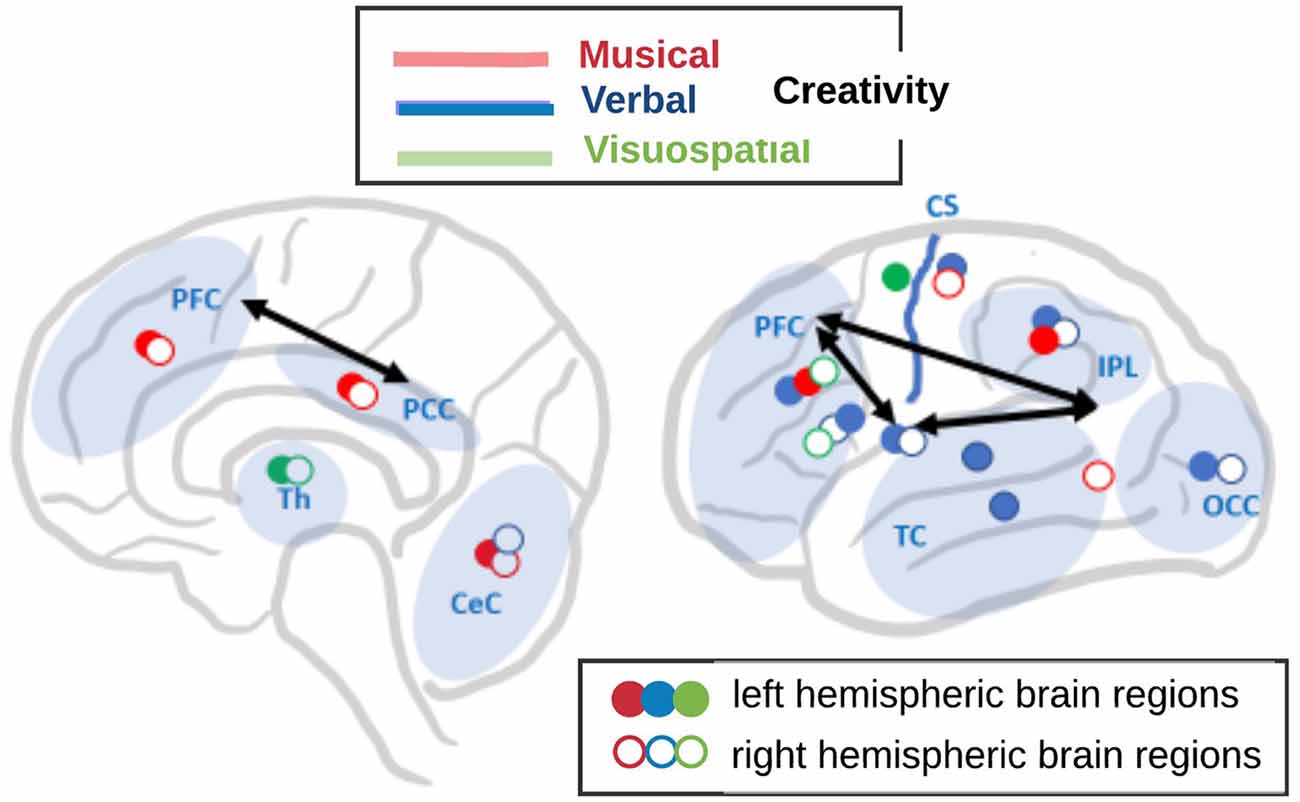


Comments
Post a Comment